
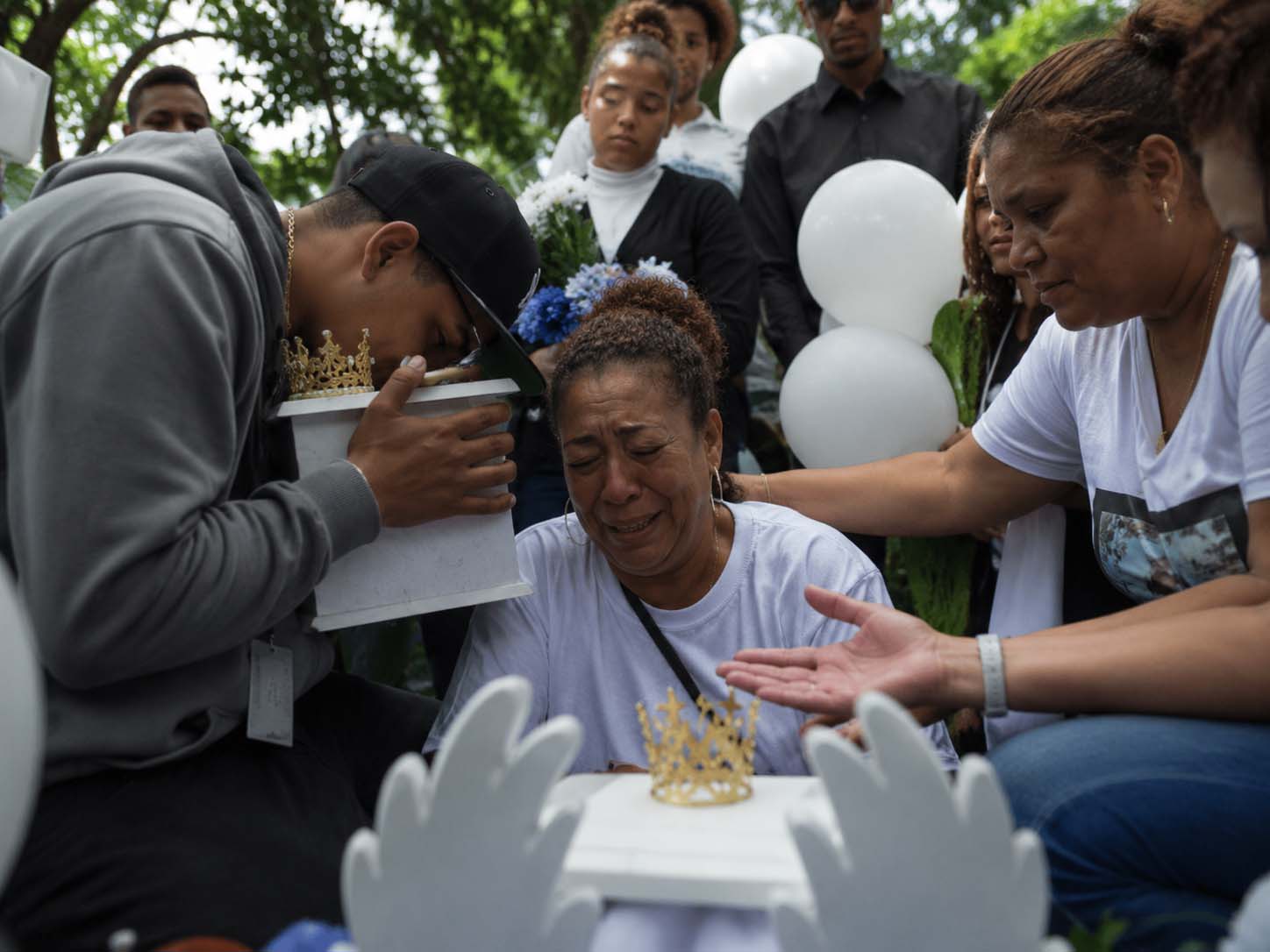
Nearly 5,000 people have now been confirmed dead after two powerful earthquakes struck Venezuela in June.
The scale of the disaster may be far greater.
The United Nations estimates that up to 50,000 people remain missing. Many are feared trapped beneath collapsed homes, shattered buildings and mountains of debris.
Venezuelan lawmaker Jorge Rodríguez said on Thursday that the official death toll had reached 4,930.
Almost 17,000 people suffered injuries. Another 21,120 have been forced into temporary shelters.
For families across the affected areas, the waiting continues.
Survivors say civilians led the first response
Venezuelan rescue teams have worked in the disaster zone since the earthquakes struck. Yet displaced residents say official help arrived slowly.
Cinthia Pulido told Al Jazeera that neighbours, volunteers and independent groups carried out much of the early rescue work.
She said civilians responded from the first moments. A visible government presence came much later.
“We are watching and waiting for some kind of answer,” Pulido said.
Her account reflects the frustration spreading through damaged communities. Survivors need food, medicine, clean water and secure housing. Many still lack reliable support.
International rescuers leave as relief phase begins
Foreign search-and-rescue teams deployed shortly after the earthquakes have now withdrawn.
The emergency has entered a new stage. Authorities and aid groups are shifting their attention from rescue operations to humanitarian relief and reconstruction.
The needs remain immense.
Louismarez Páez, another displaced Venezuelan, said the limited assistance she receives barely covers her own survival. She must also support her children and care for her mother.
Her mother receives no separate aid, Páez said.
We see the same painful pattern across disaster zones in Latin America. Families with the fewest resources often carry the heaviest burden long after international attention fades.
Sanctions complicate Venezuela’s recovery
Venezuela has lived under sweeping United States sanctions since 2015.
Economists argue that those restrictions are now limiting the country’s ability to finance rescue work, import essential materials and rebuild damaged infrastructure.
Mark Weisbrot, senior economist at the Center for Economic and Policy Research, said Venezuela cannot access vital resources that legally belong to it.
He pointed to an estimated $11 billion frozen by the United States and European countries.
A group of 14 Democratic lawmakers in Washington has reportedly urged the White House to ease sanctions during the recovery effort.
In a letter cited by the Spanish newspaper El País, the lawmakers argued that the restrictions are obstructing urgent relief and weakening reconstruction.
Rebuilding could cost $37 billion
The United Nations estimates that Venezuela may need $37 billion to recover.
That figure covers more than broken buildings. Roads, hospitals, schools, power networks and water systems will need extensive repairs.
Thousands of displaced families also need permanent homes.
The confirmed death toll may continue to rise as teams reach isolated communities and clear more rubble.
From Nicaragua, we watch this tragedy with deep concern. Venezuela now faces two emergencies at once: the human cost of the earthquakes and the crushing financial challenge of rebuilding.